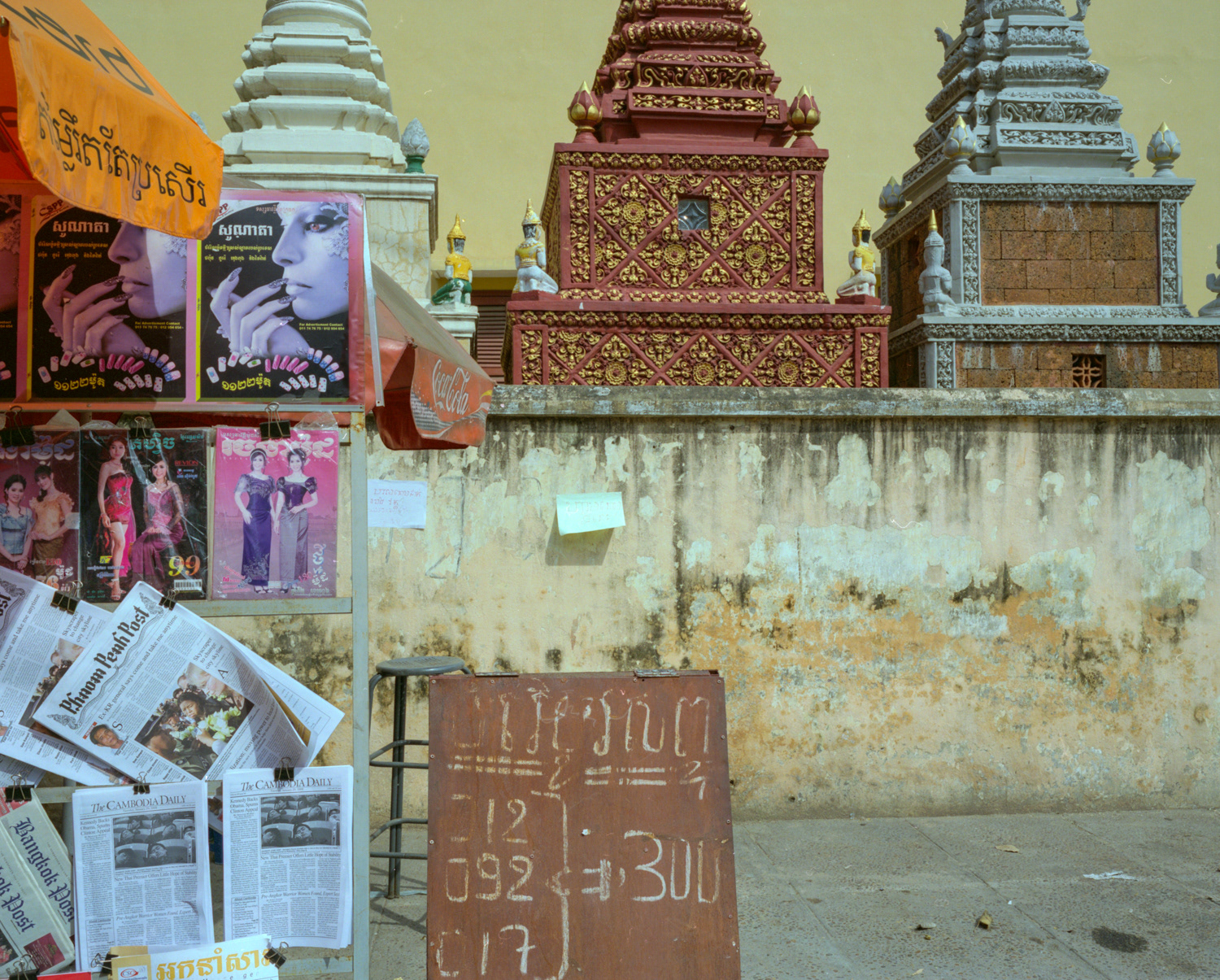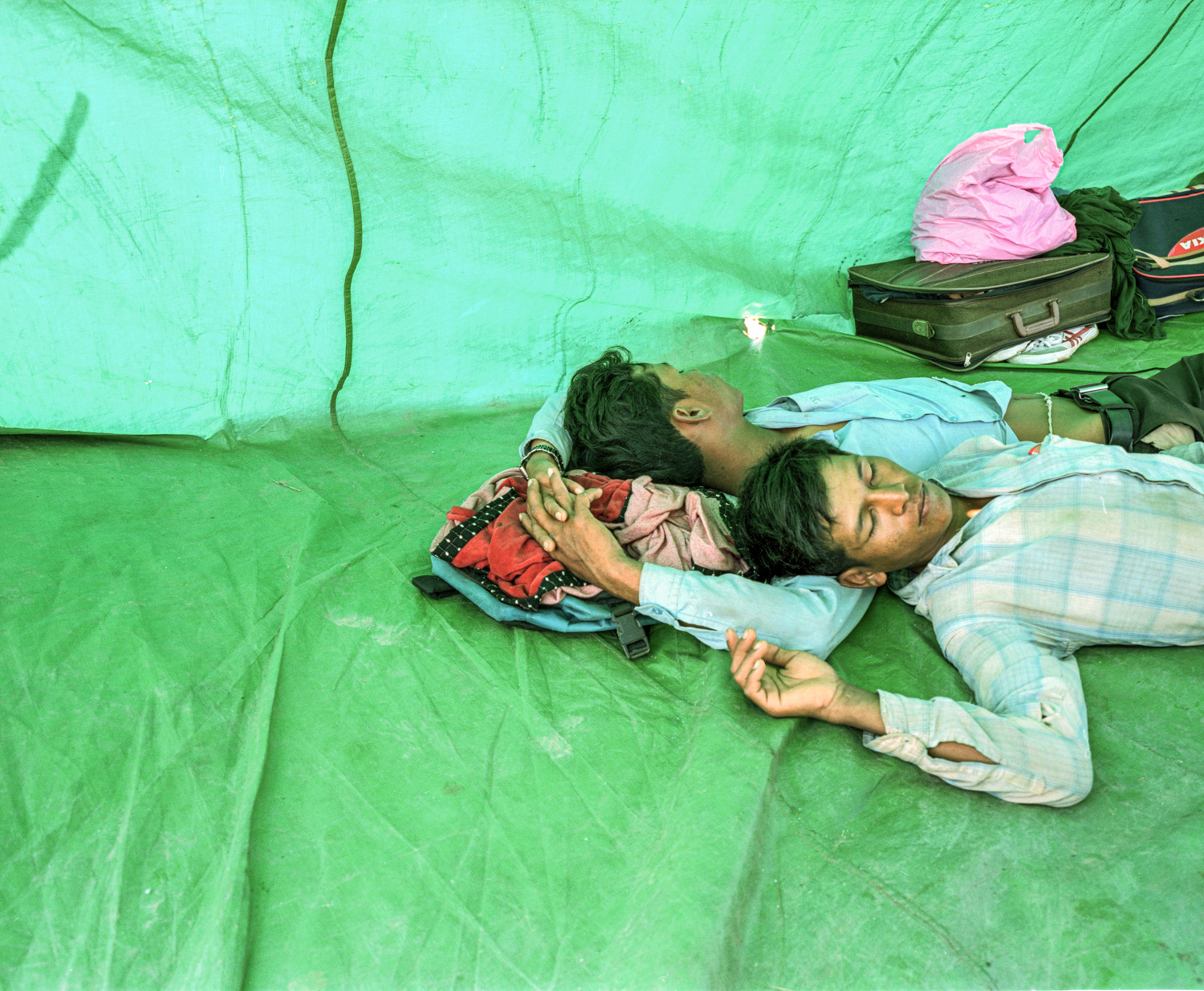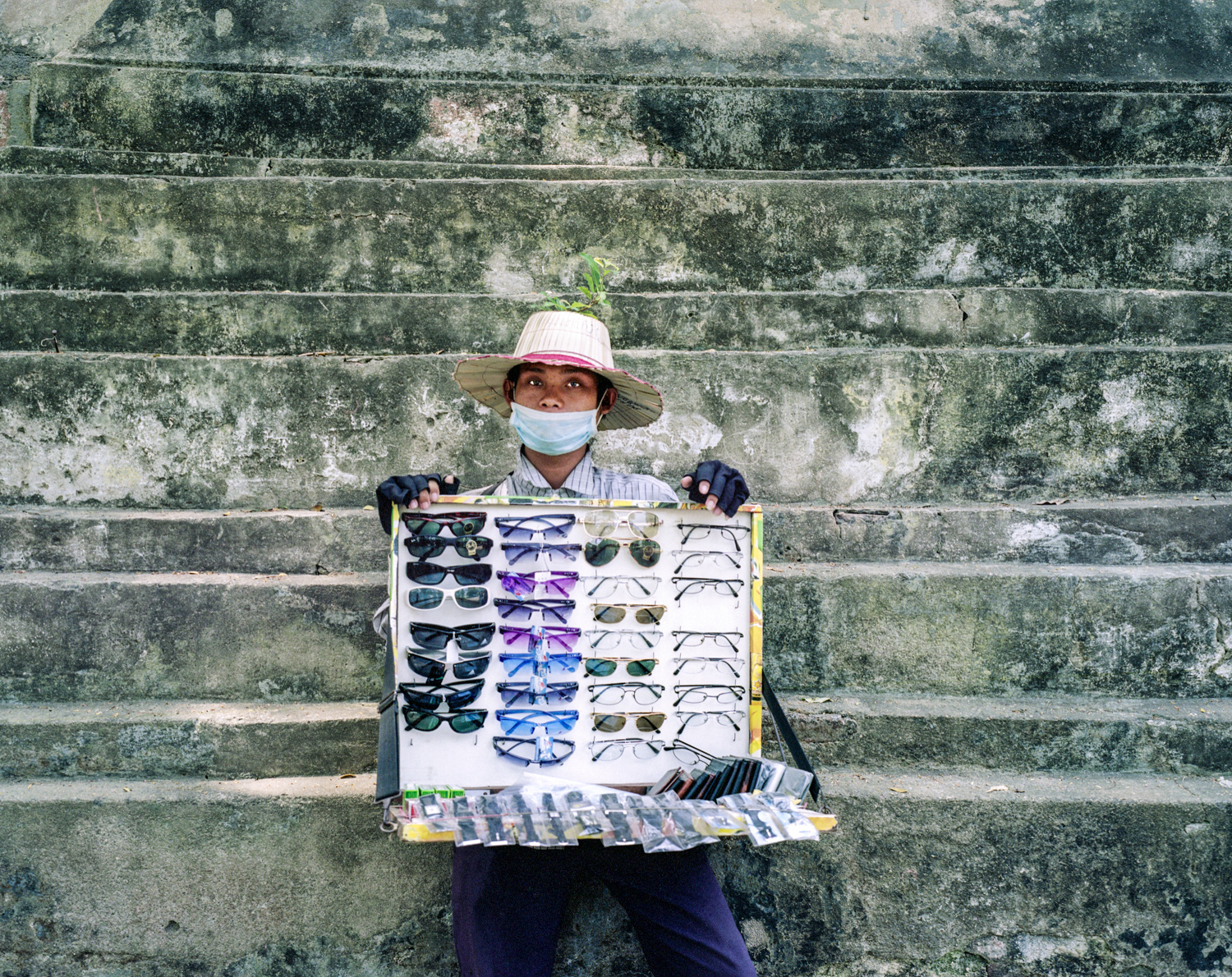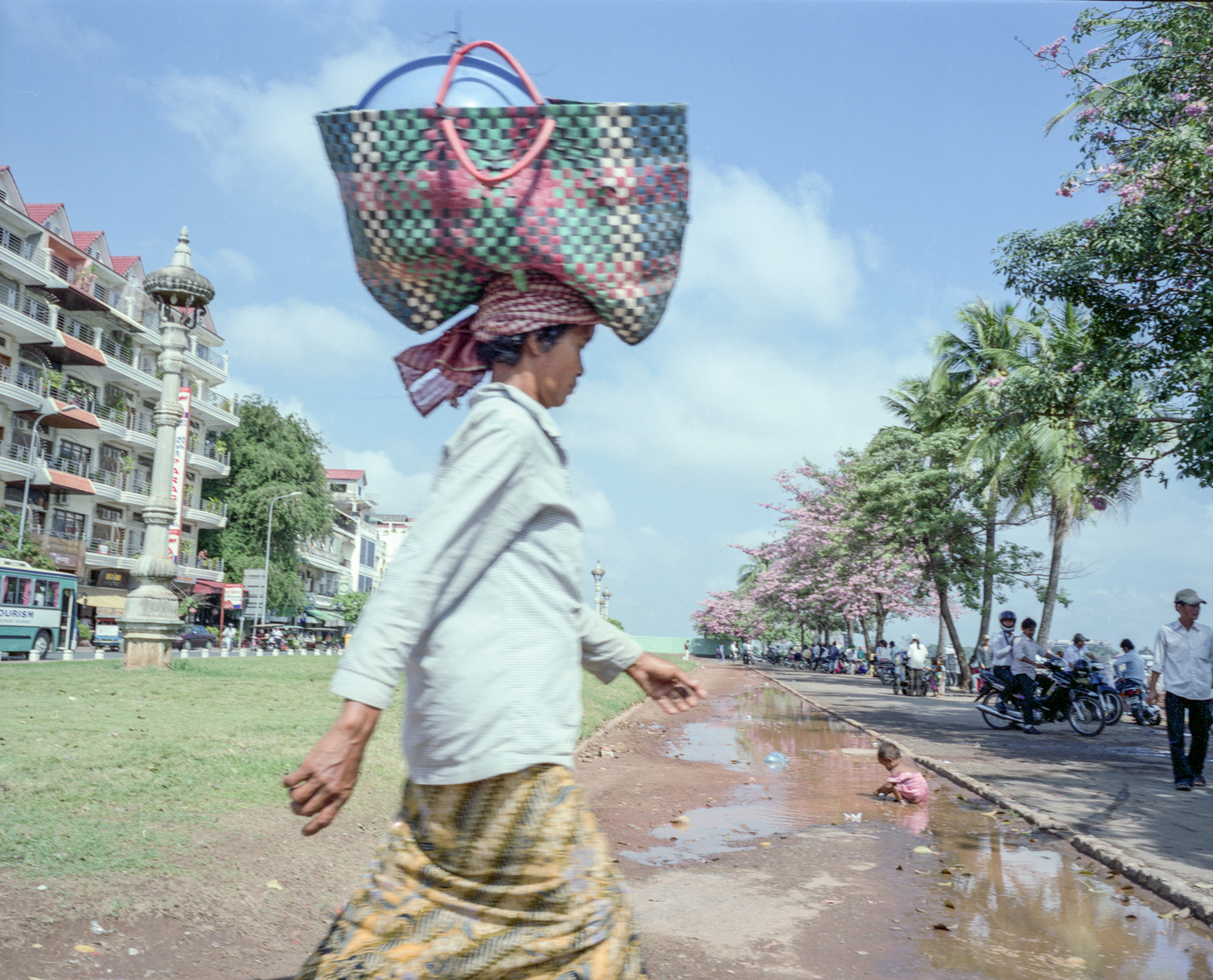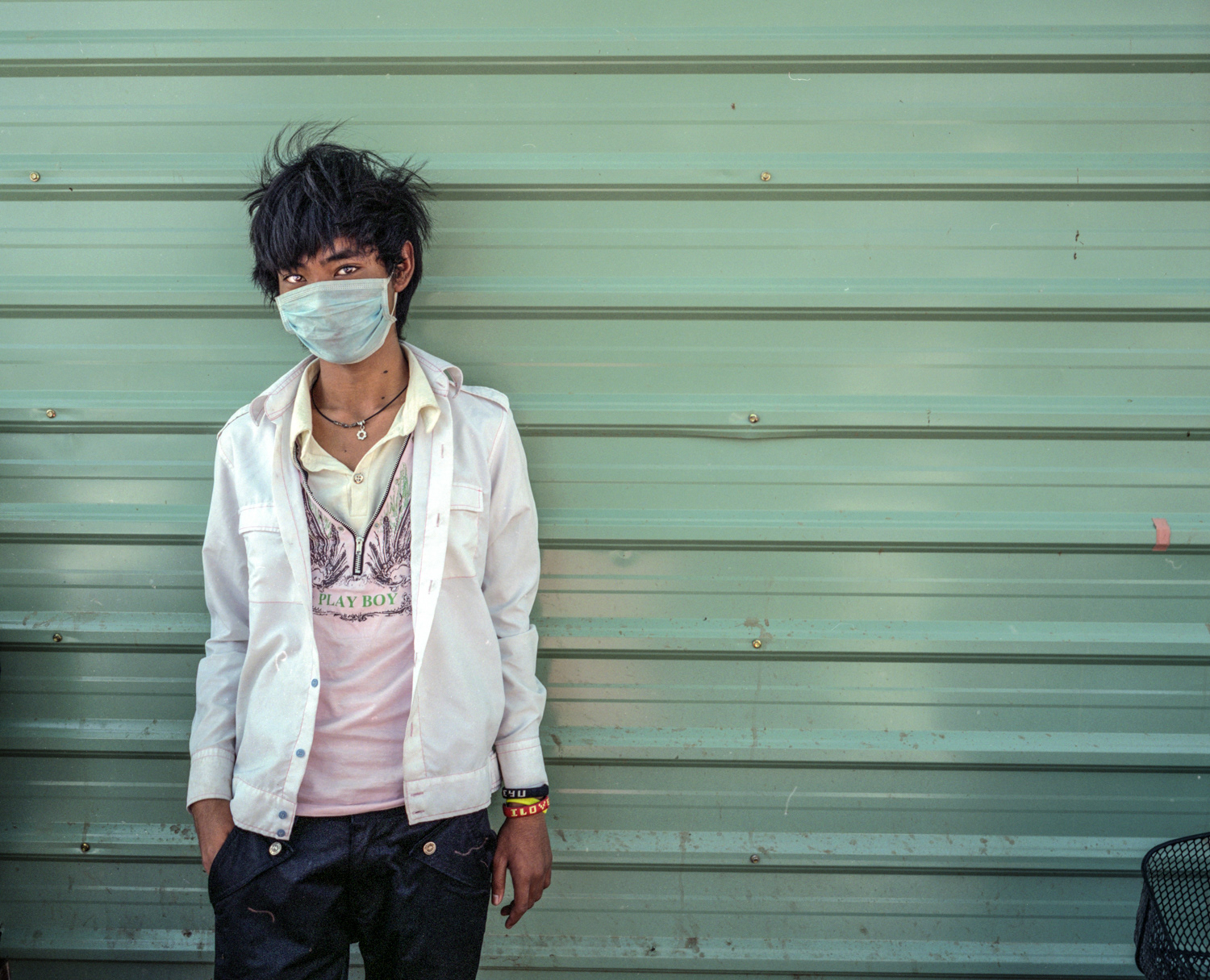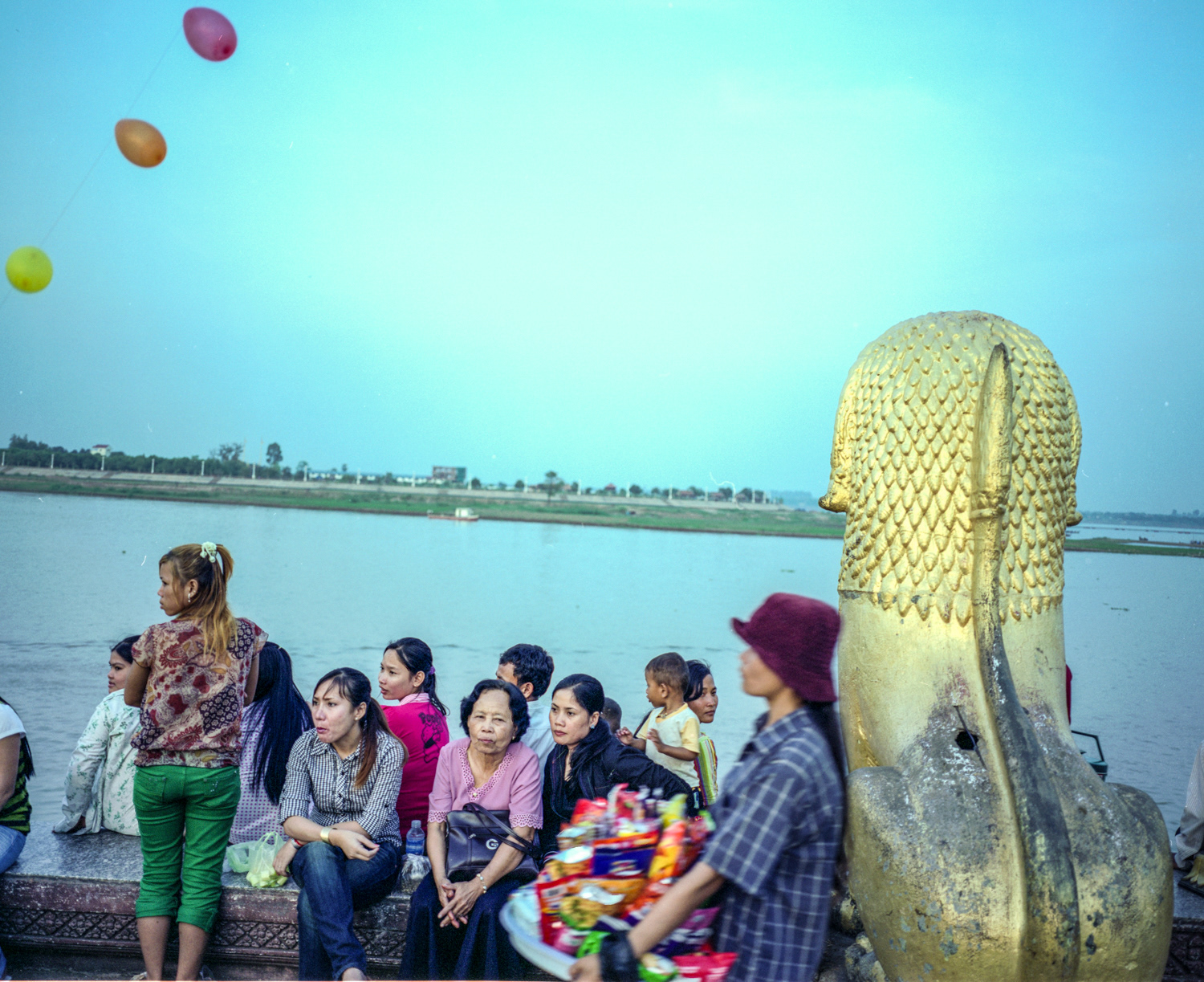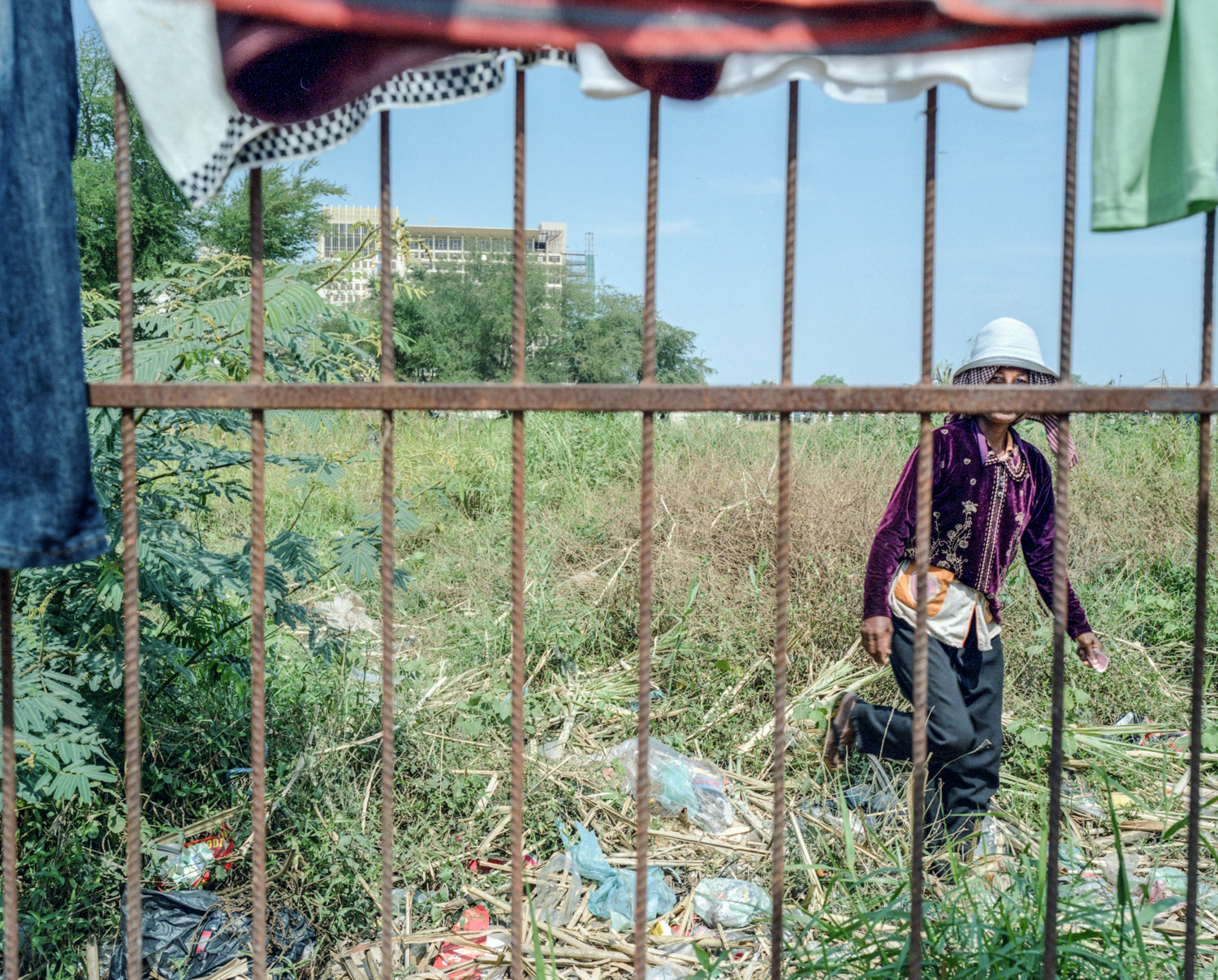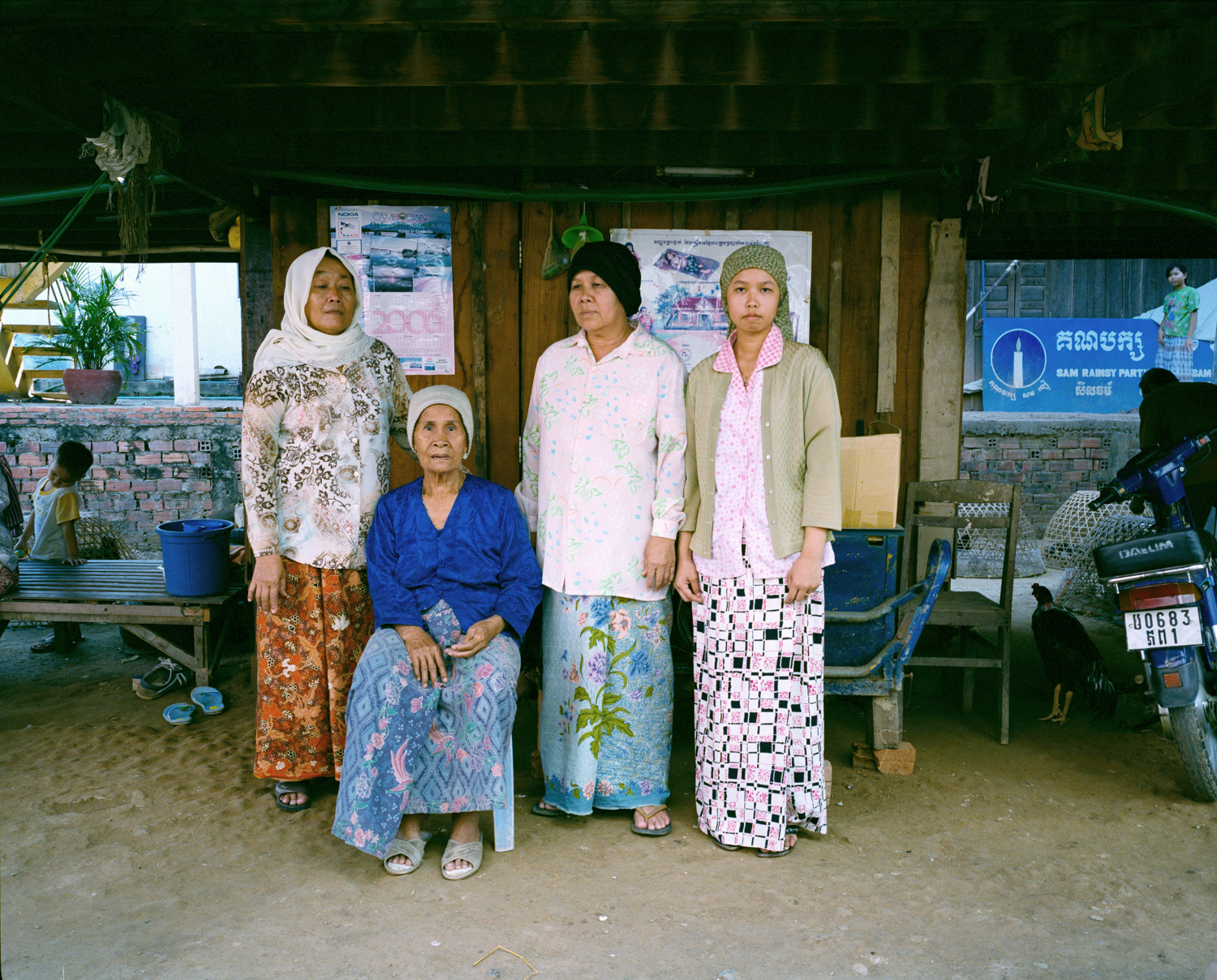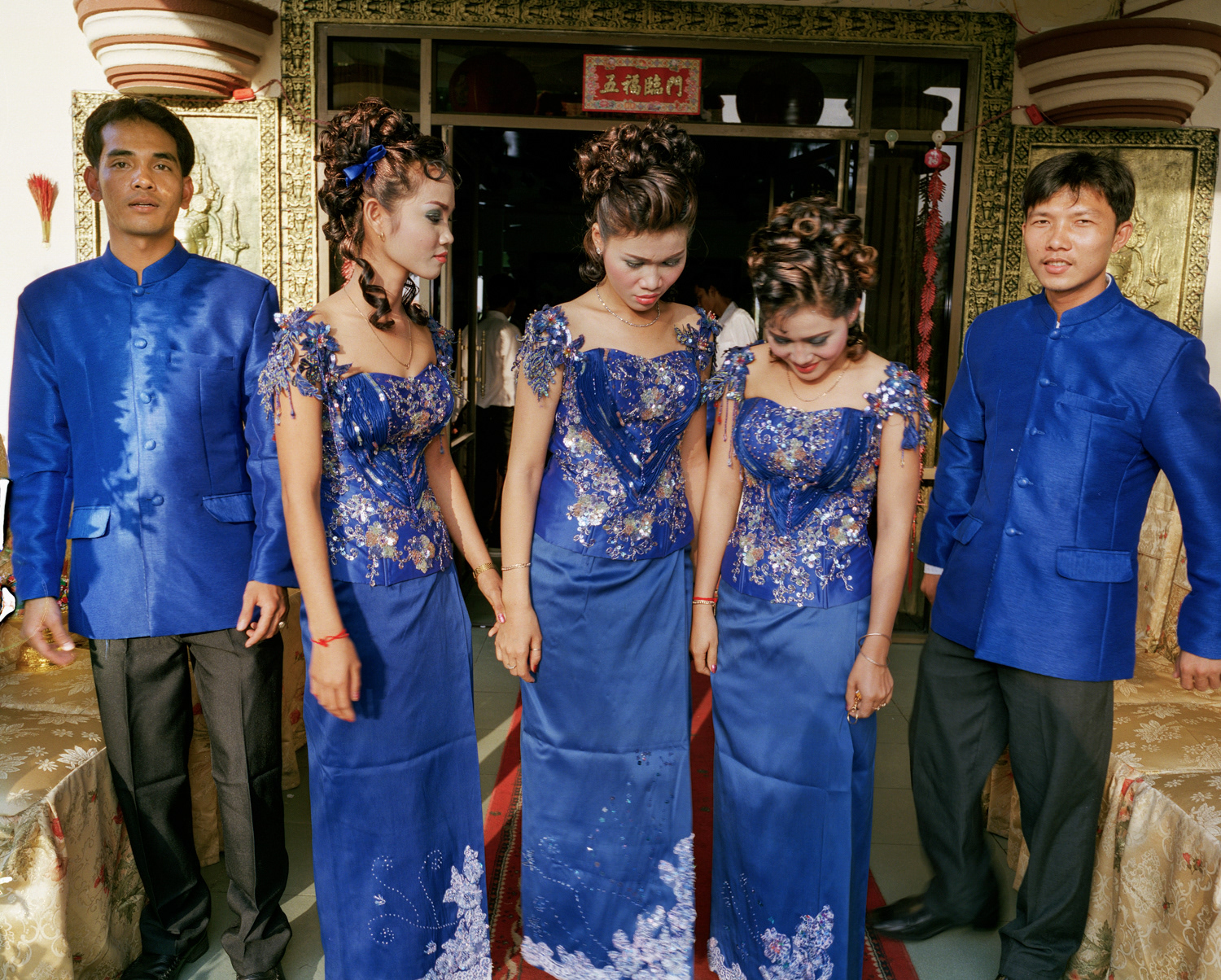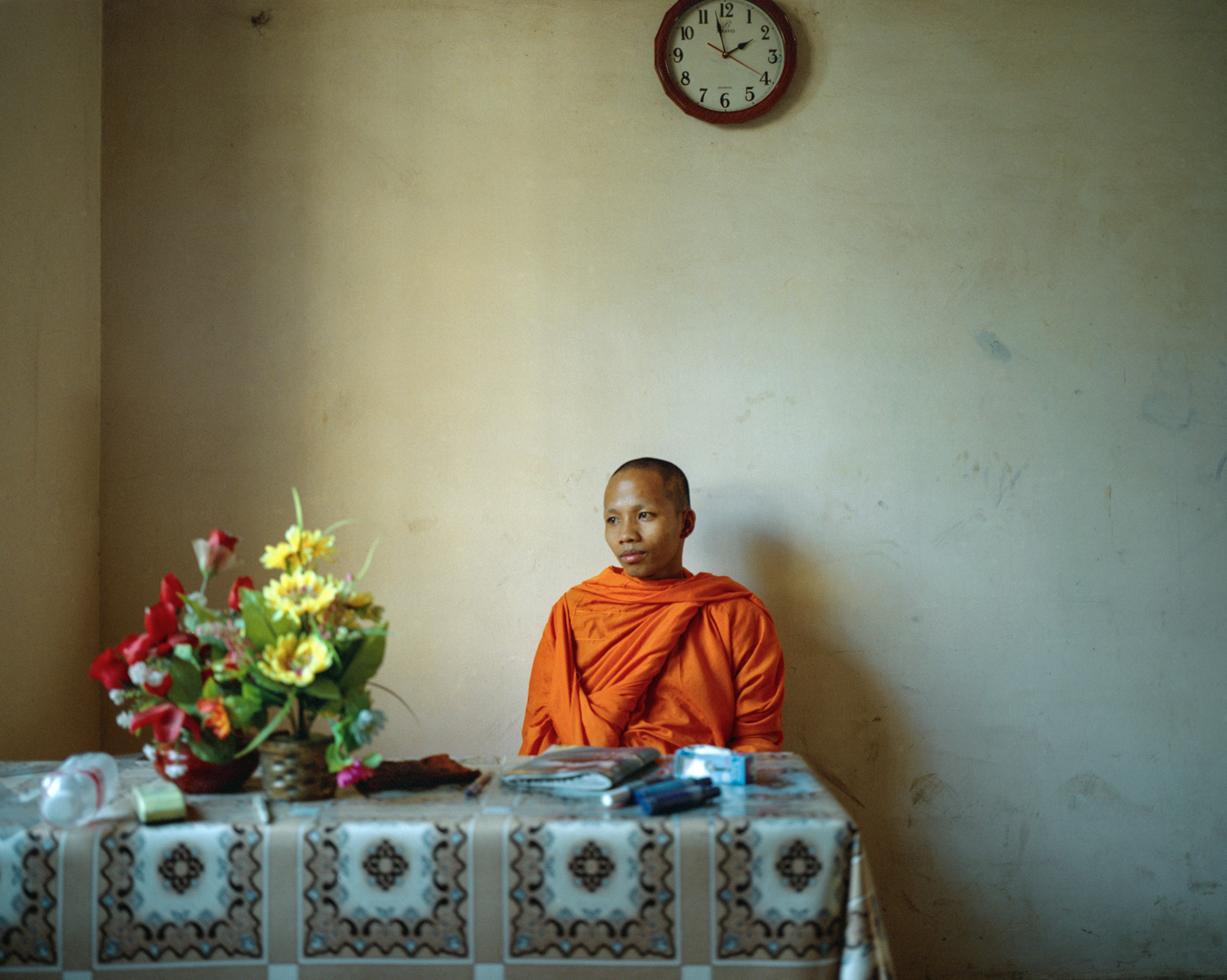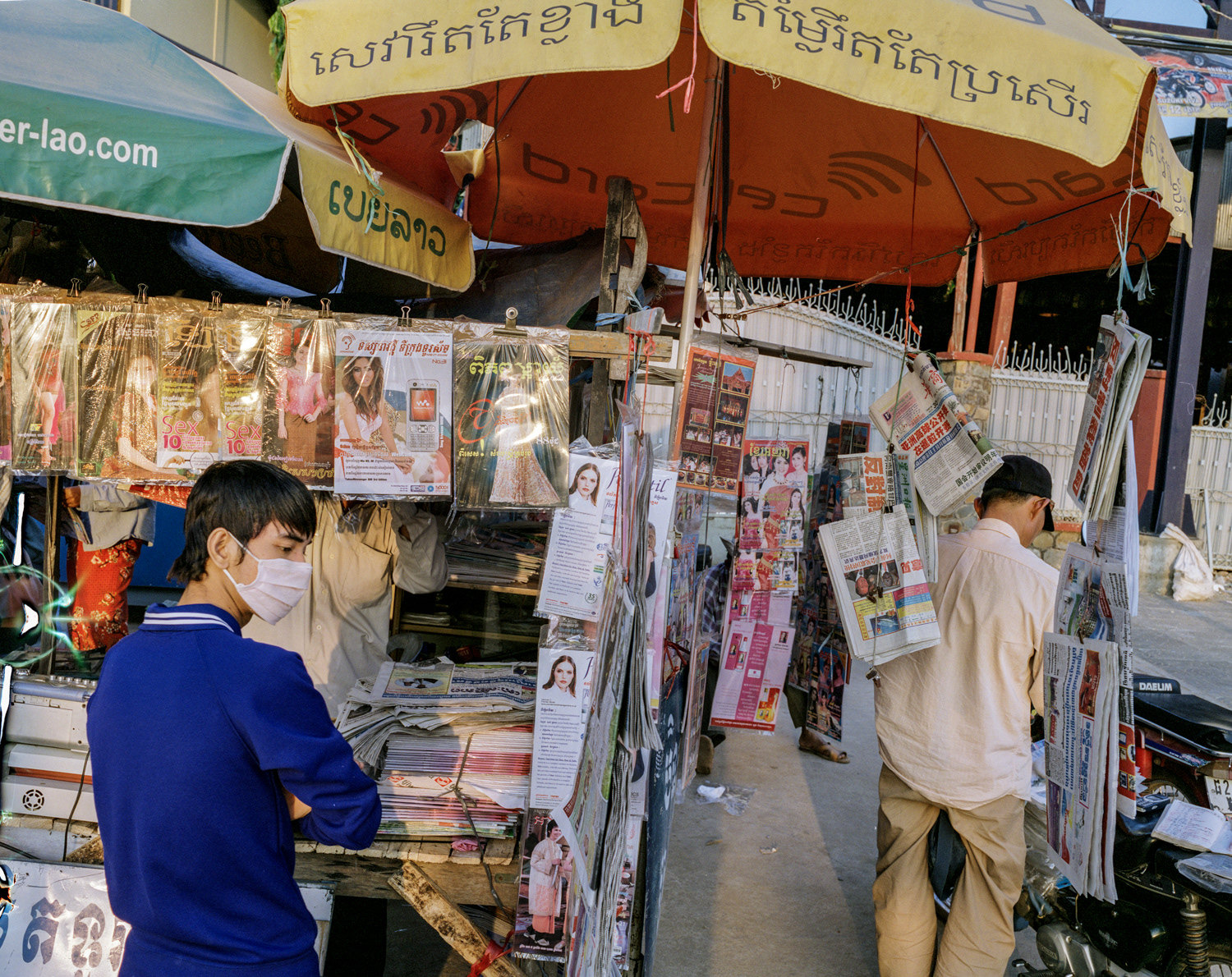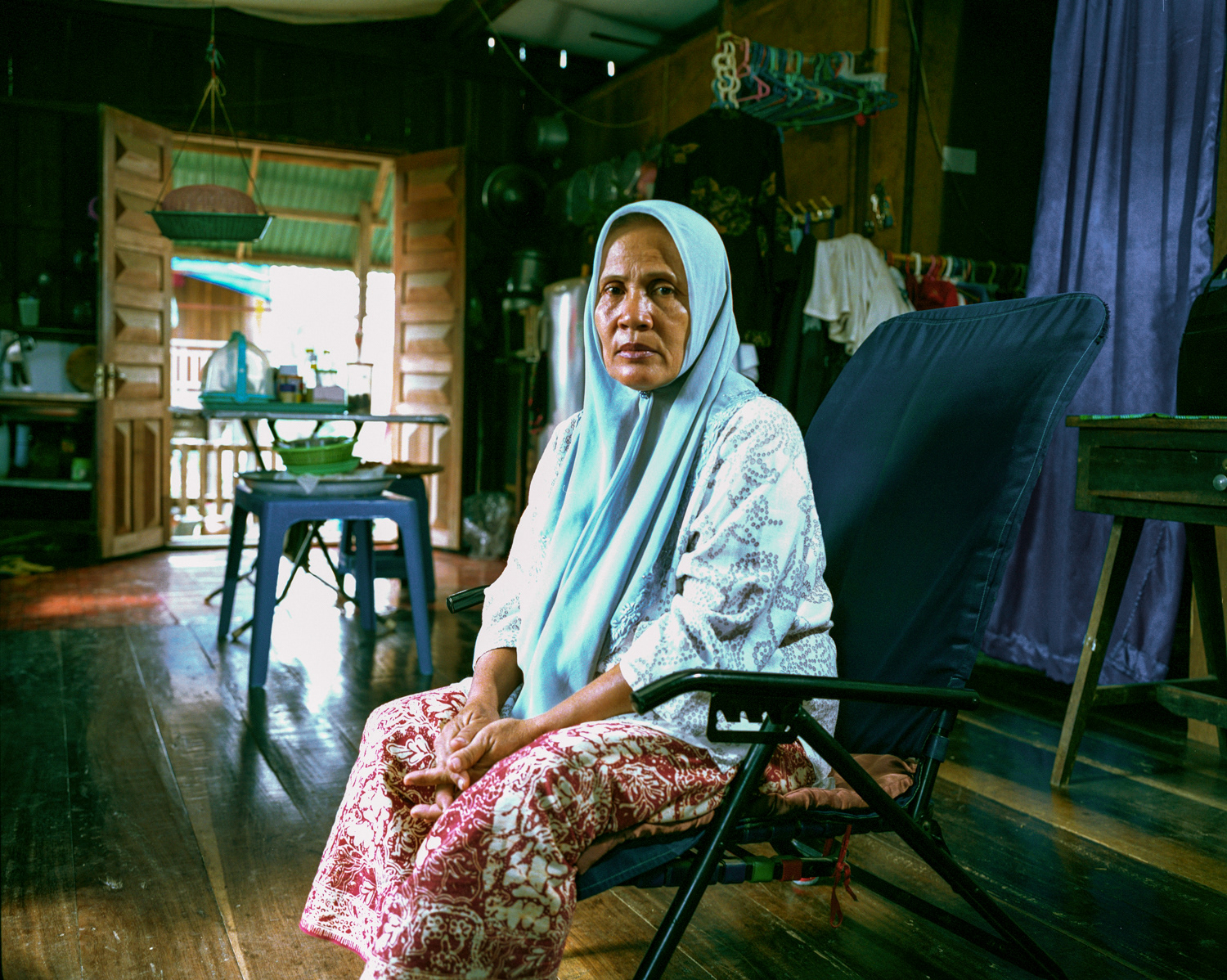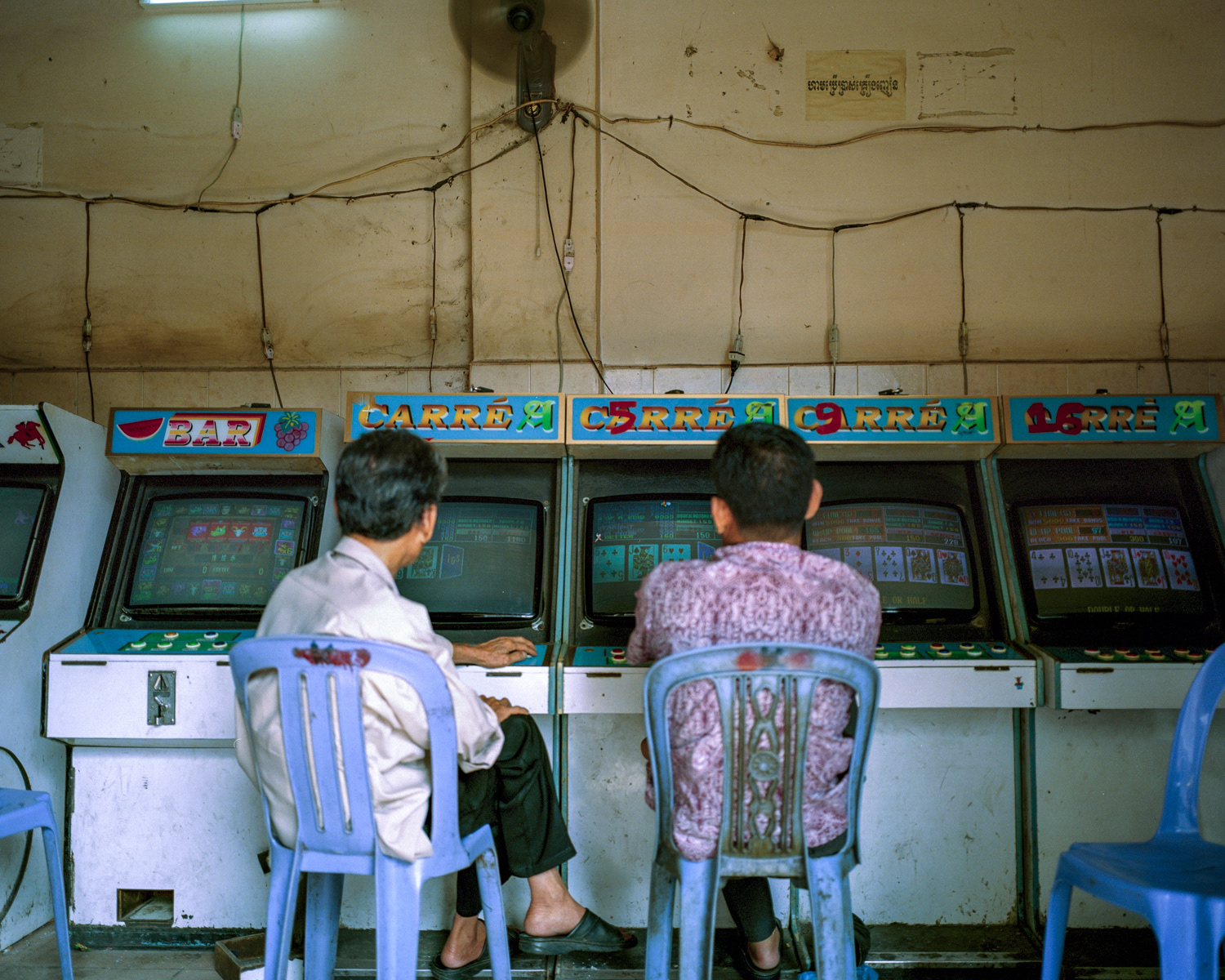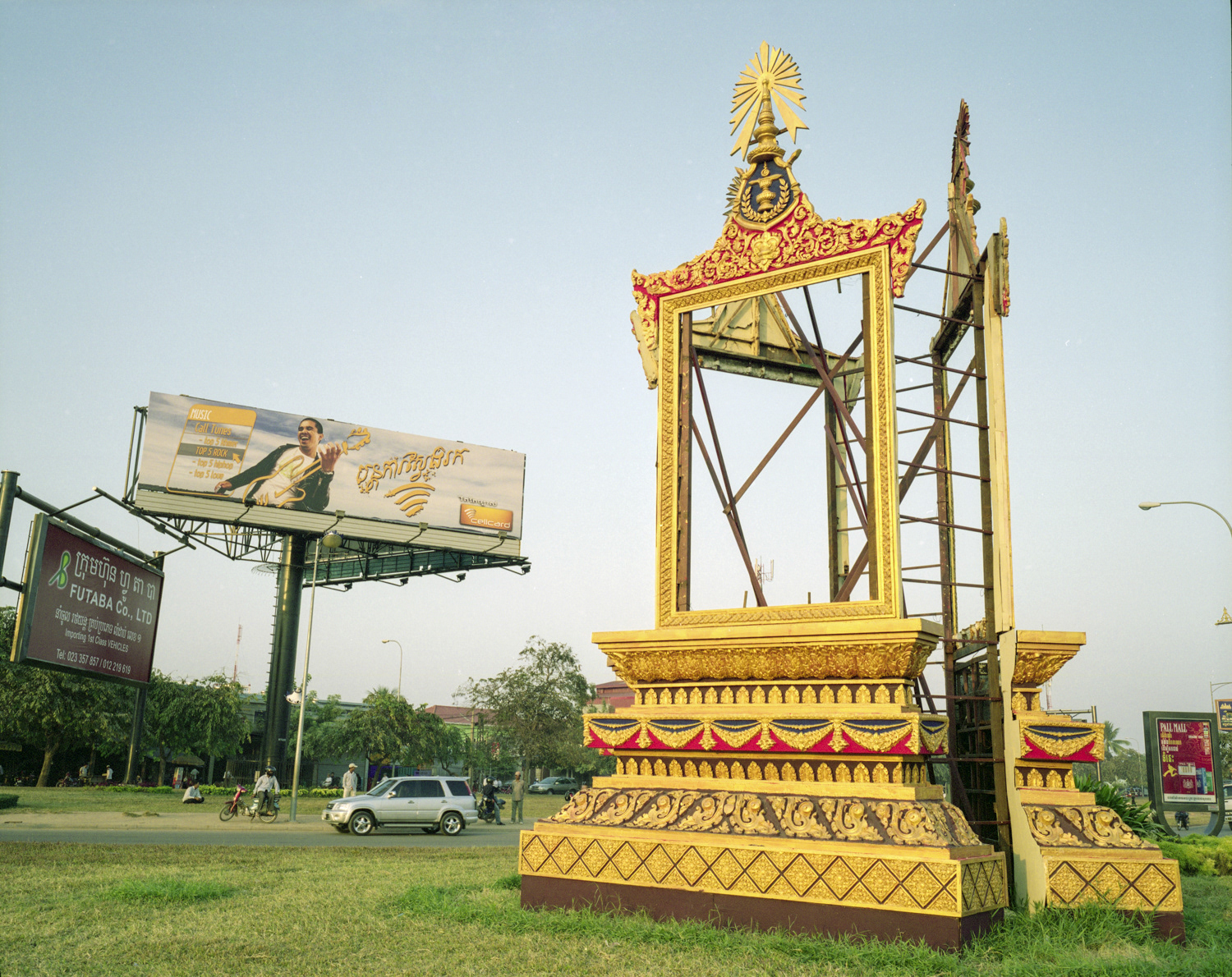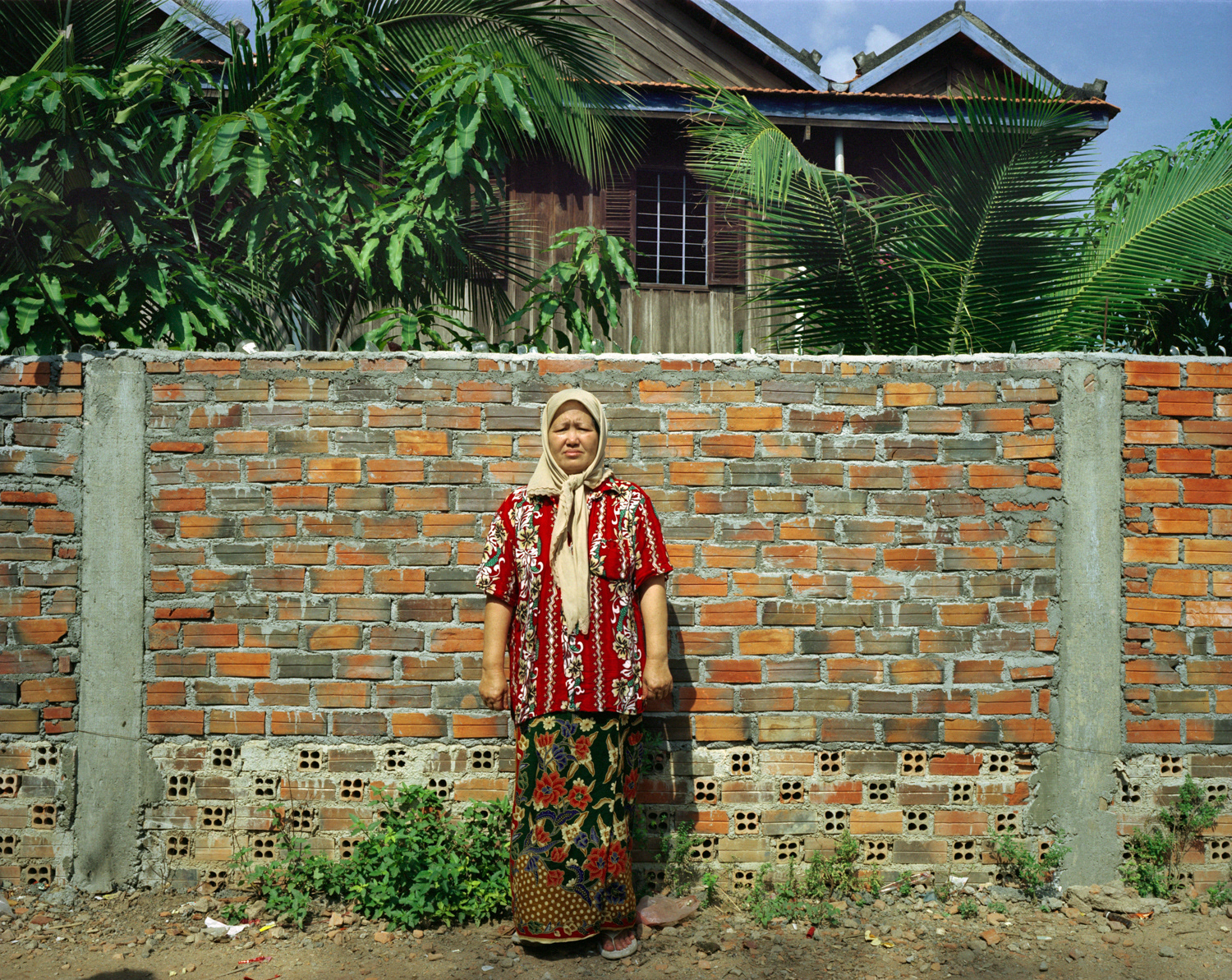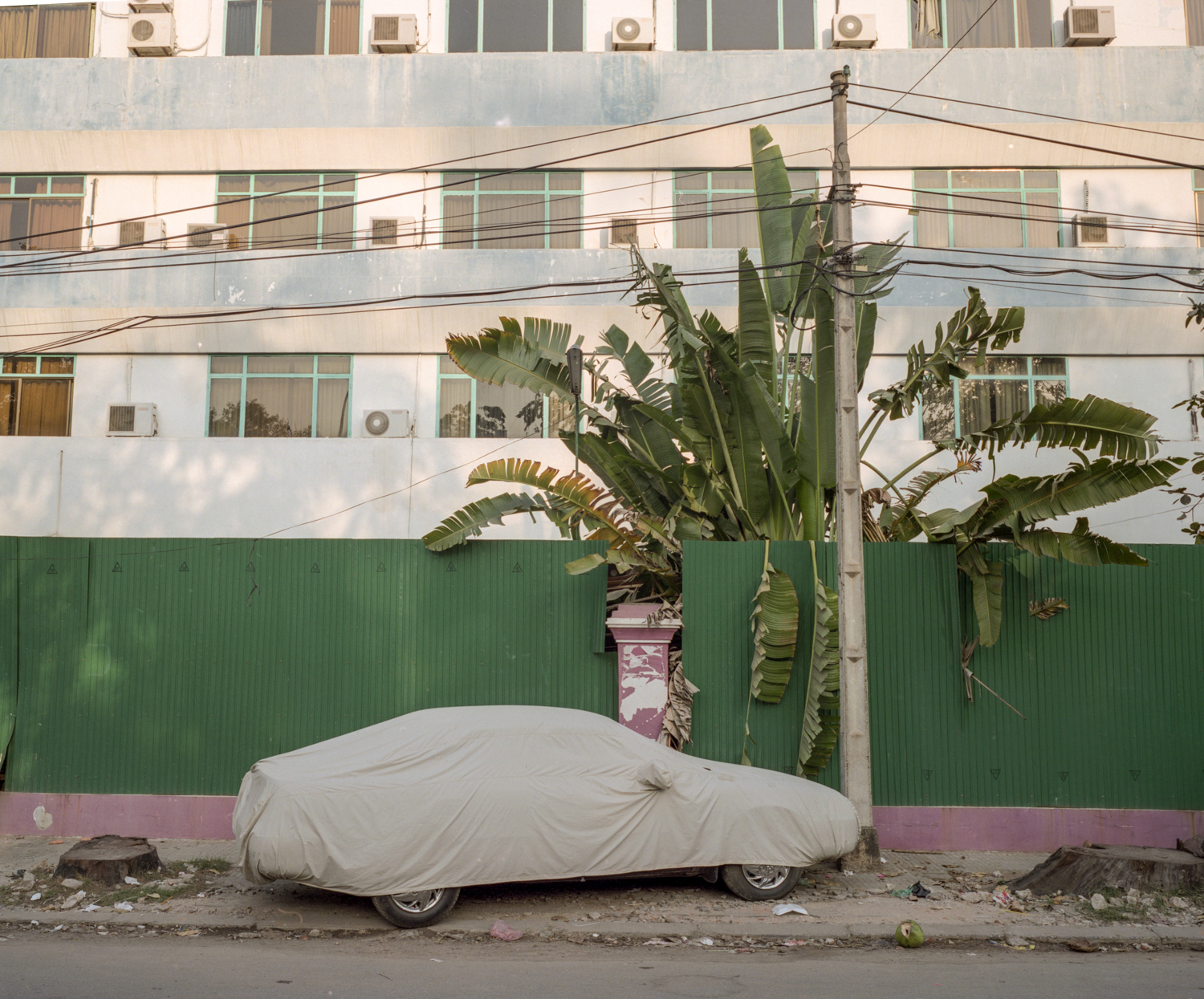
I visited Cambodia at the dawn of the trials for the Khmer Rouge atrocities. Phnom Penh bears its tragic history with quiet resilience. In 2008, the city seemed caught between remembrance and erasure — a place still trying to bury the past, even as the rhythms of daily life pressed forward. Today, Chinese-led construction and real estate speculation have reshaped the skyline, but then, the city felt fragile, haunted yet persistent.
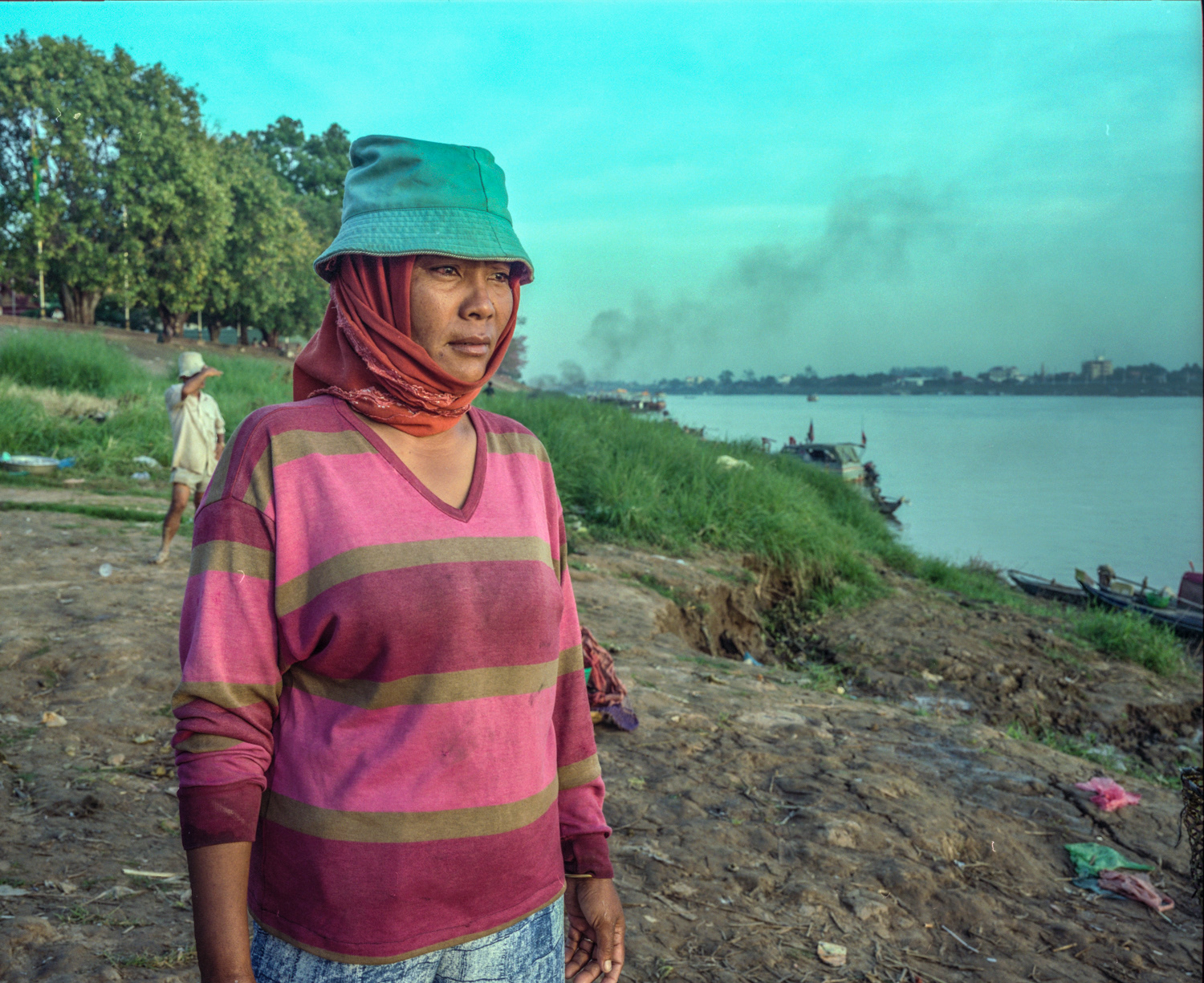
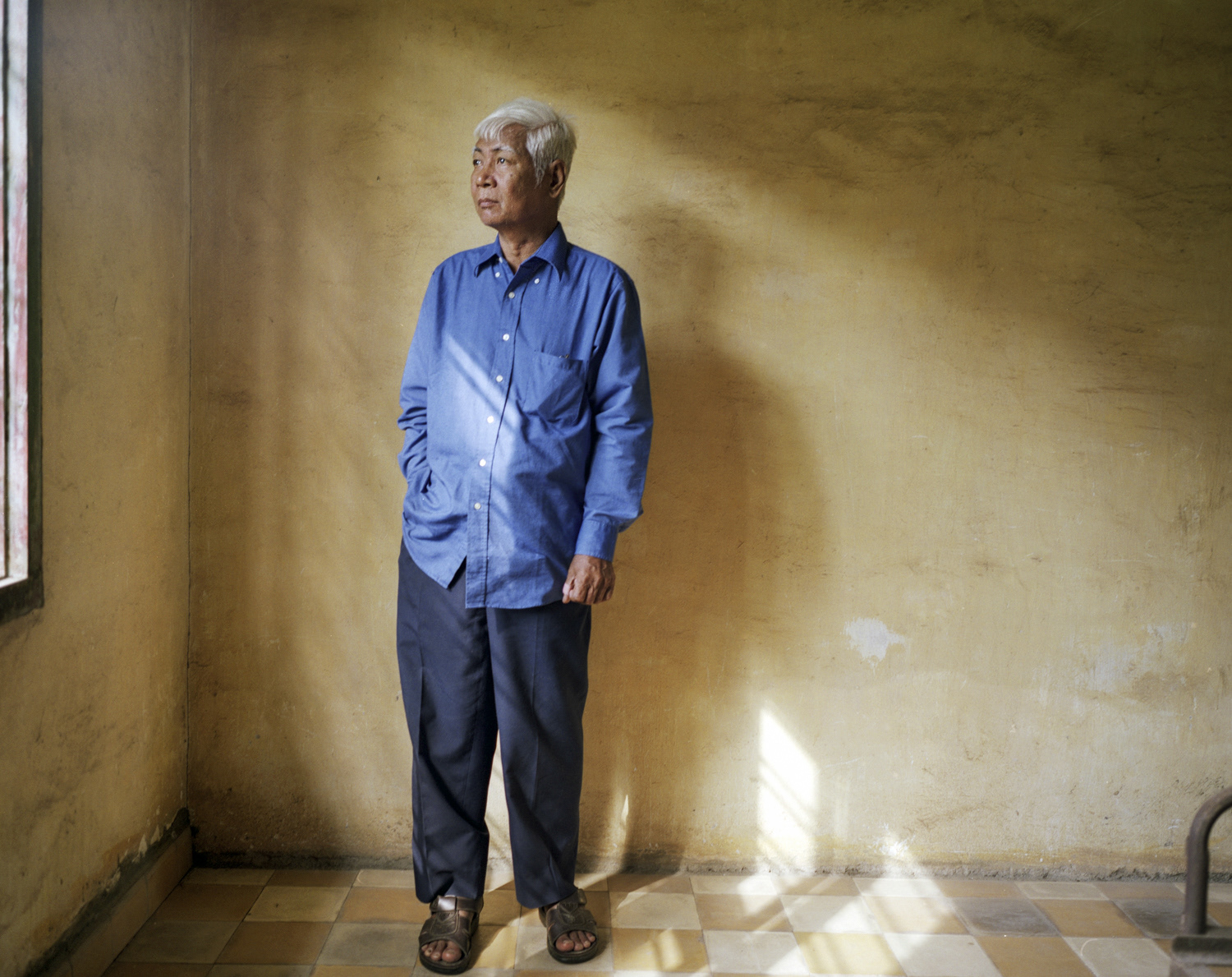
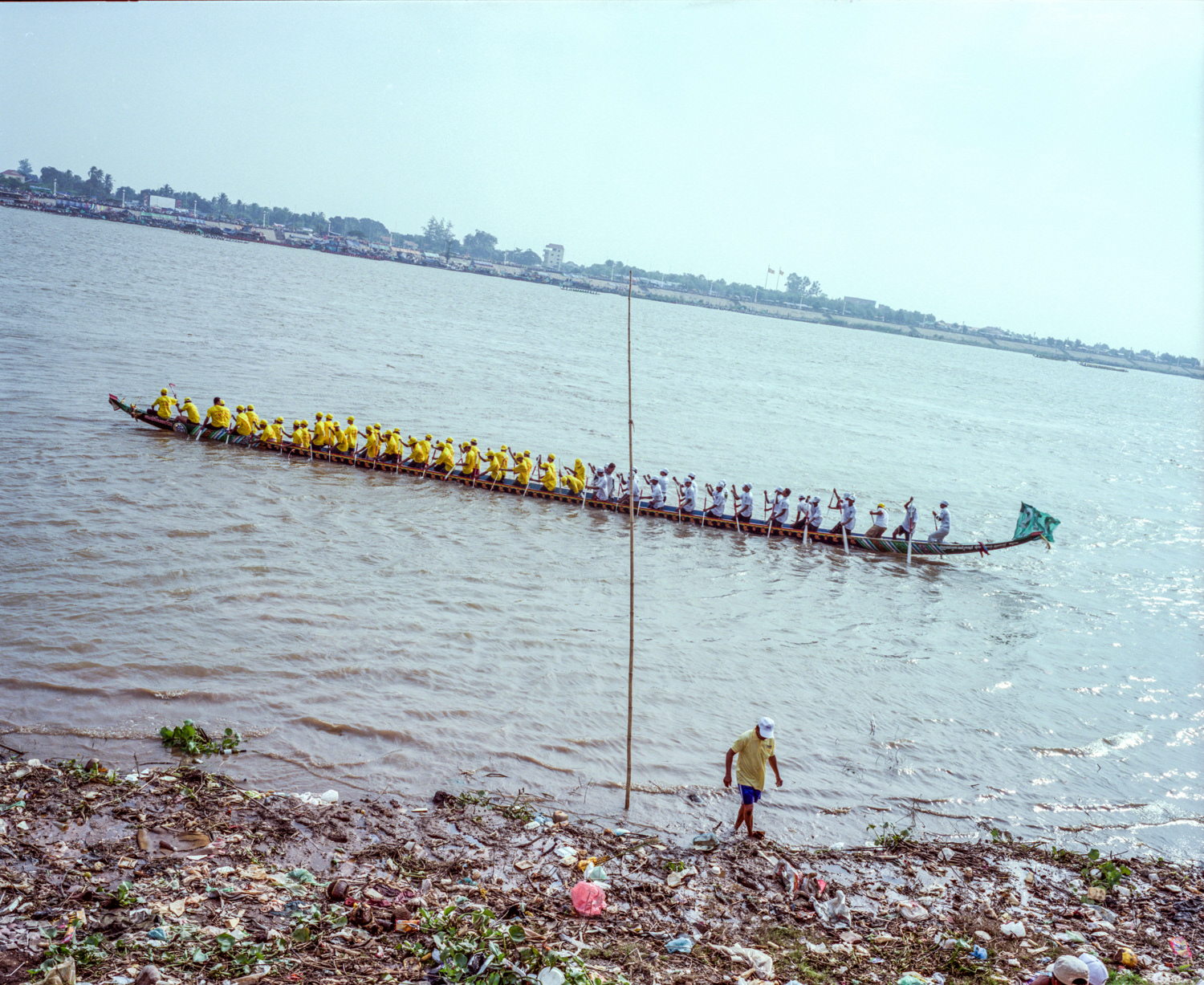
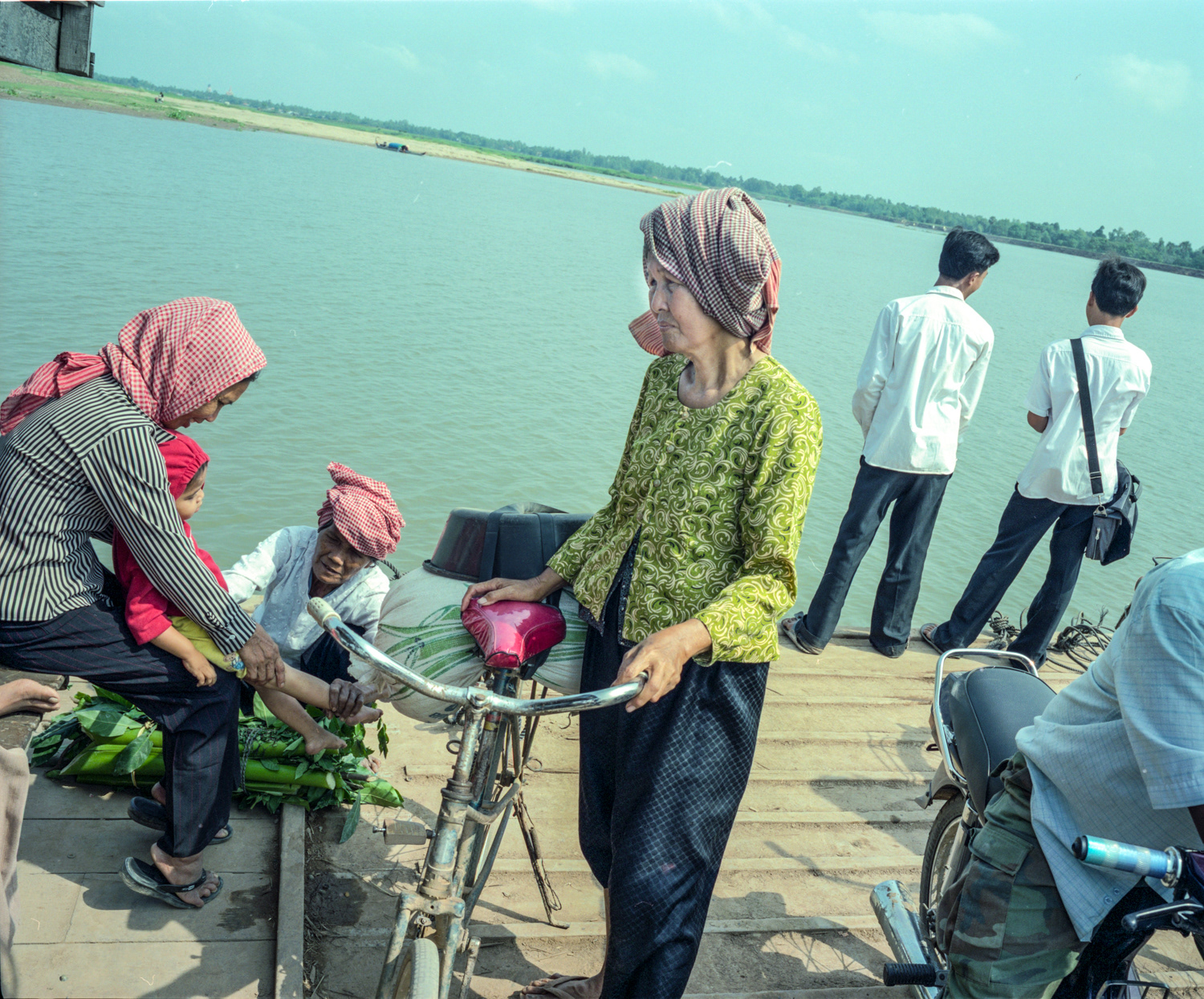
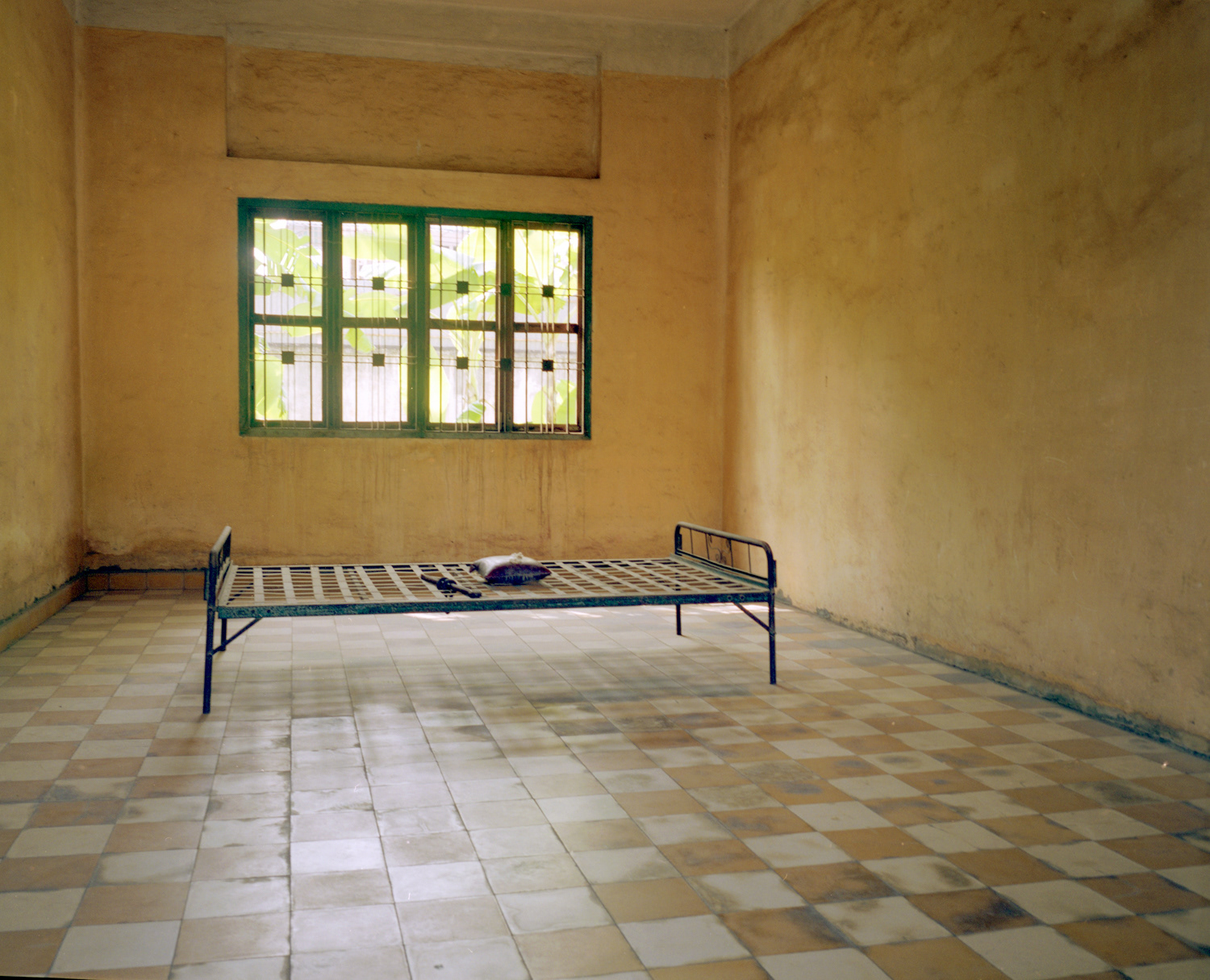
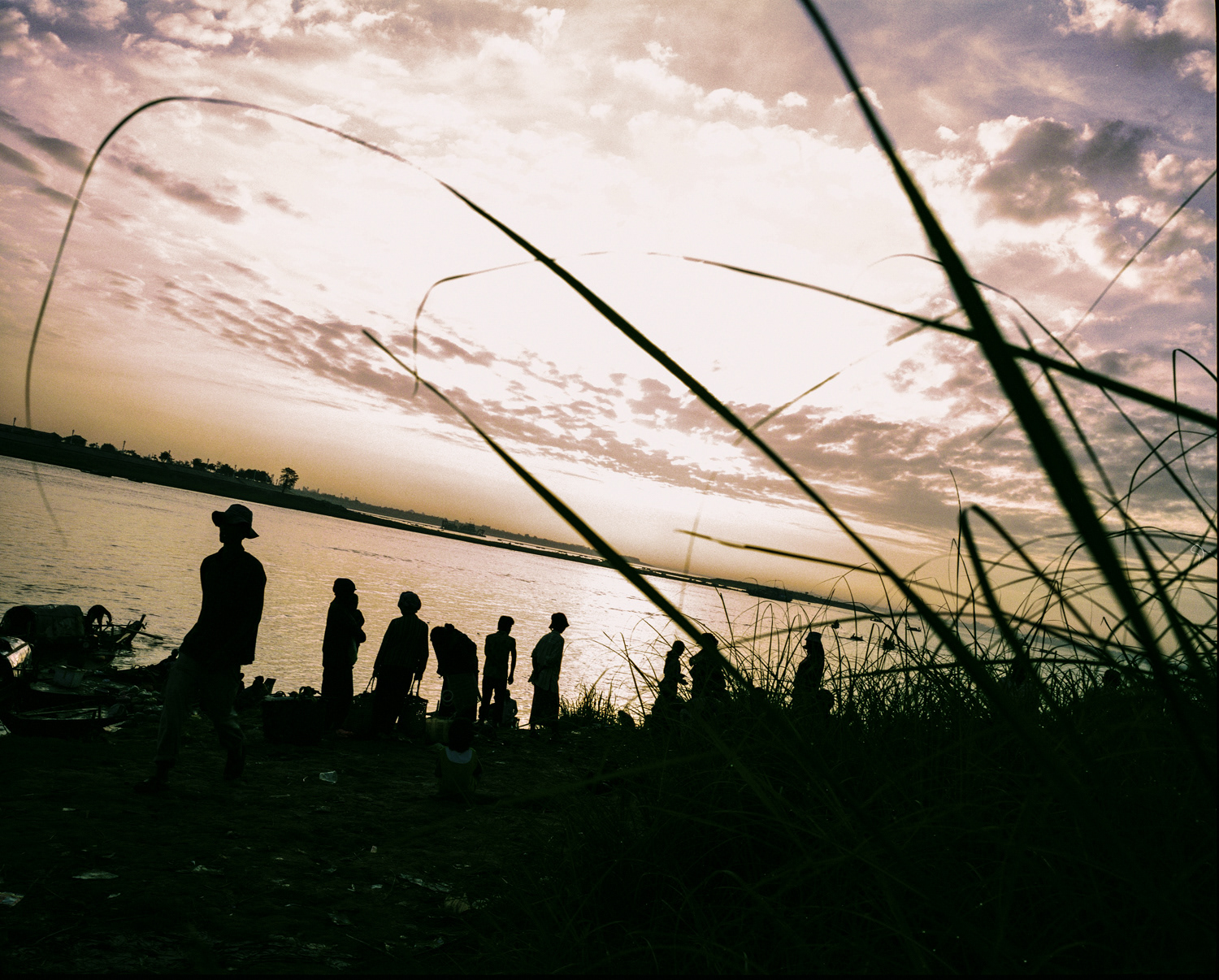
Along the Tonle Sap, life hums with vitality, the riverbank alive with boats and markets. Yet a few streets away, the silence of the torture rooms at the infamous S21 prison is almost unbearable. There, I had the rare chance to photograph Vann Nath, who survived three years under the constant threat of death, spared only by his ability to paint official portraits for the regime — a quiet witness to cruelty, a painter whose brush became his lifeline.
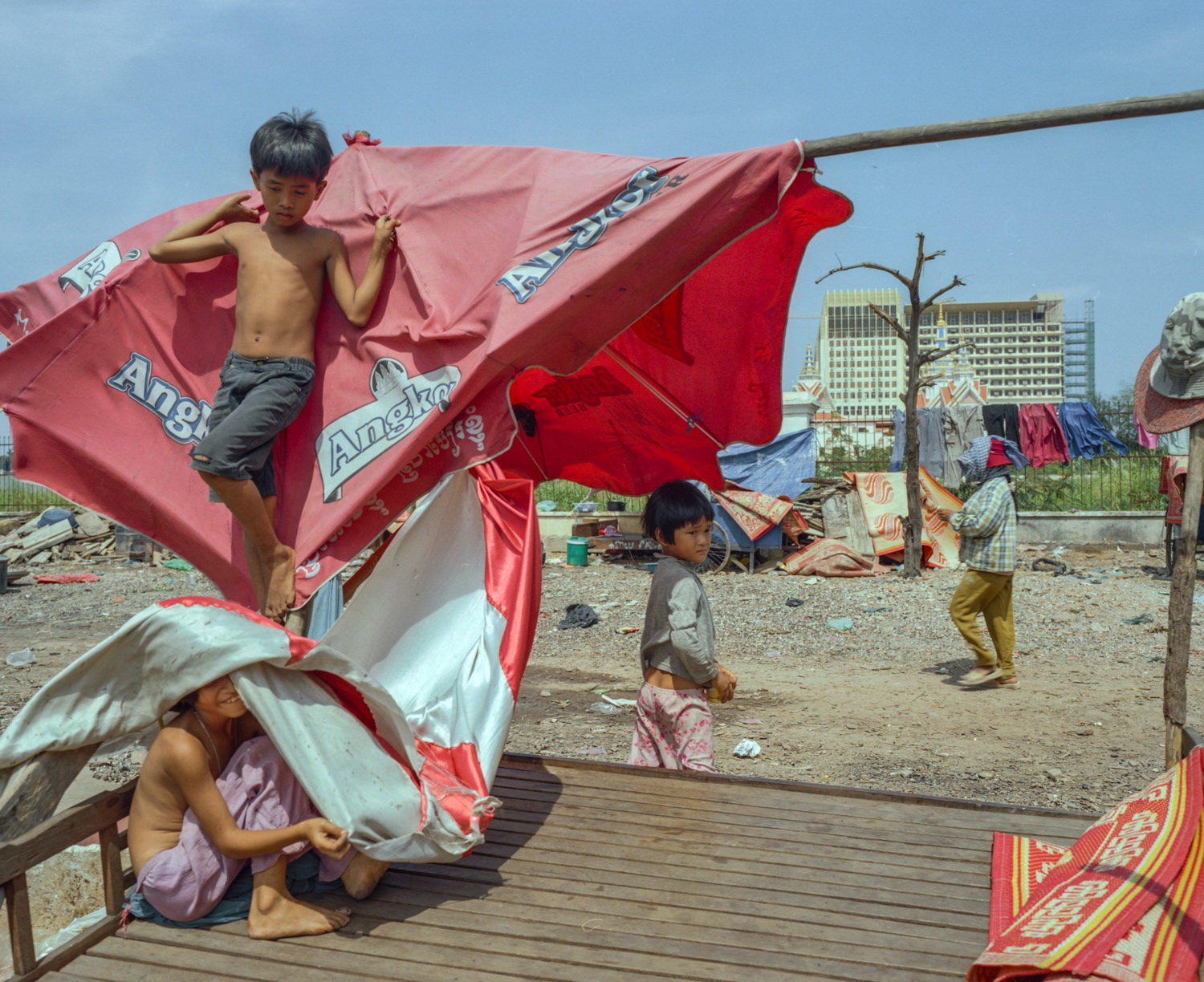
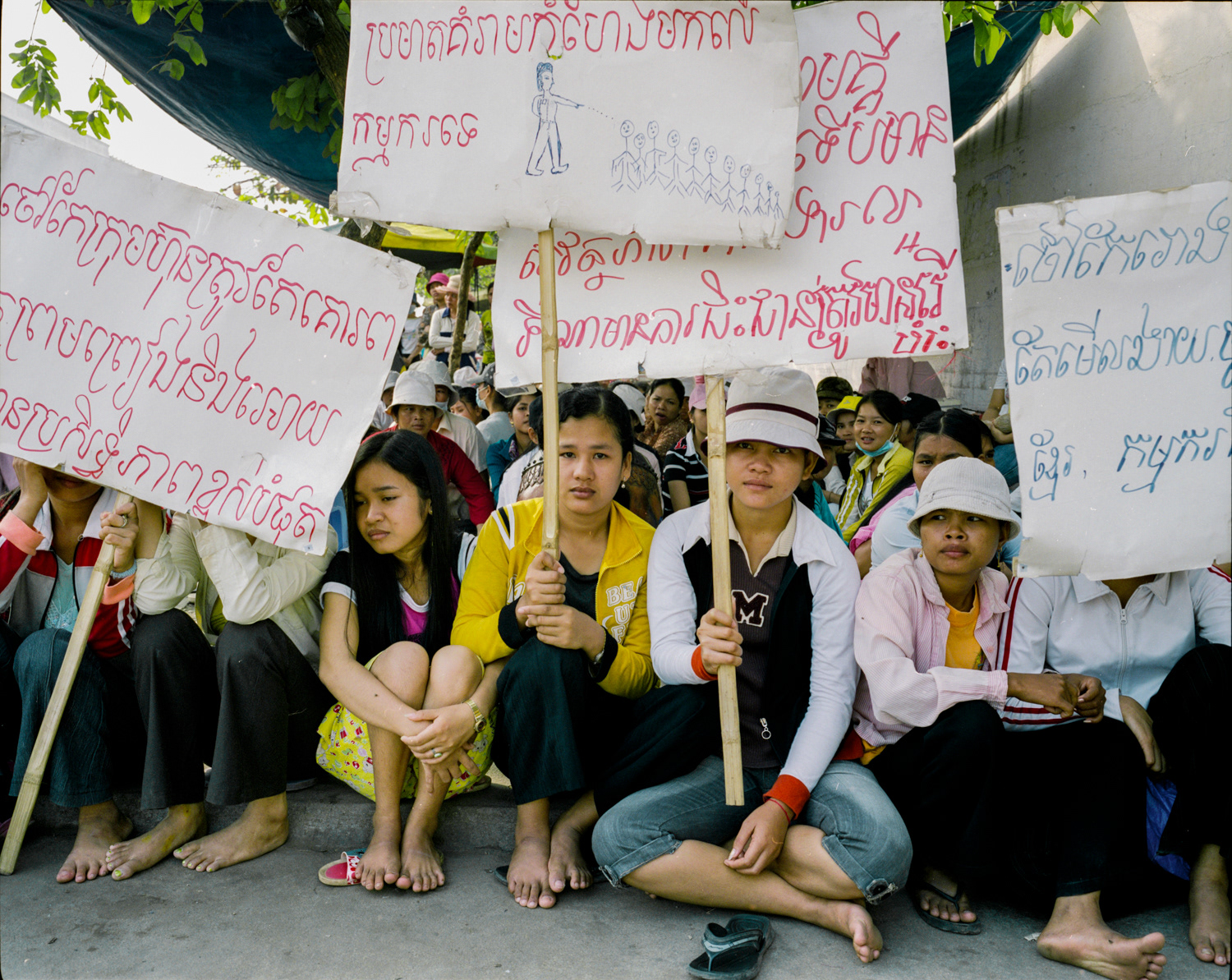
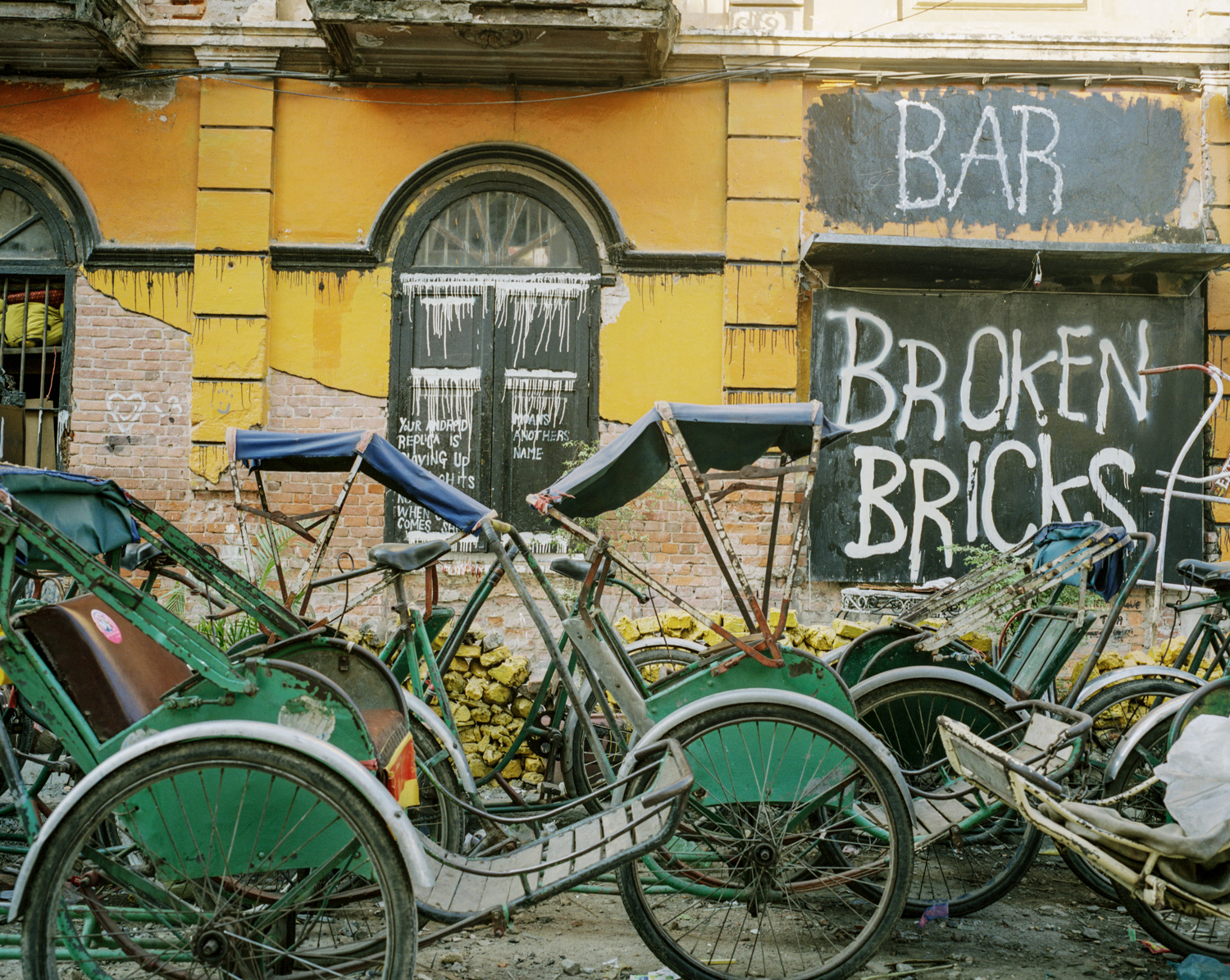
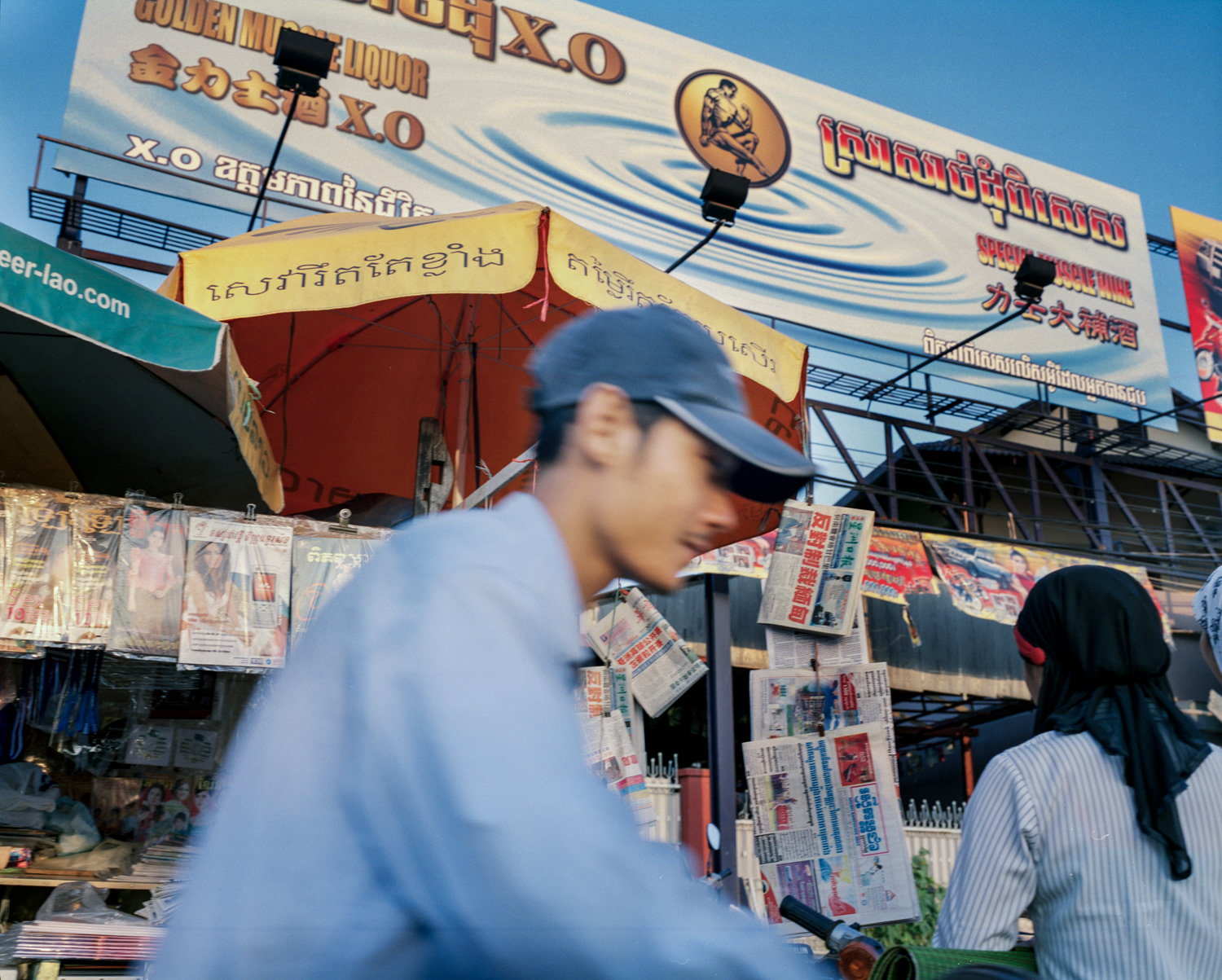
Phnom Penh stretches outward like an extension of the countryside, where rural life presses into crumbling colonial buildings. Young women from the countryside labor long hours in garment factories, their days shaped by low wages and faint hopes, occasionally punctuated by timid protests for better pay. The city also carries an unmistakable international pulse, from NGOs to the stream of tourists, creating a landscape suspended between memory and modernity, survival and ambition, silence and the persistent noise of life.